


Table of Contents
Grinding balls play a pivotal role in various industries, particularly in ball mills where they are utilized for grinding materials. Their effectiveness depends largely on their manufacturing process. In this article, we’ll delve into how qualified grinding balls are produced and detail the entire manufacturing process.

What Are Grinding Balls?
Grinding balls are spherical-shaped media used in grinding mills to crush or grind materials. They are commonly made from steel, ceramics, or other materials depending on the application. Grinding balls are essential in sectors like metallurgy, cement production, thermal power generation, and chemical processing. The quality of these balls directly impacts the efficiency and effectiveness of the grinding process.
Importance of Quality in Grinding Balls
The performance of grinding balls can significantly influence the overall productivity of a mill. High-quality grinding balls offer:
- Enhanced Durability: They withstand wear and tear during the grinding process, leading to fewer replacements.
- Consistent Performance: Uniform size and density ensure predictable results in grinding efficiency.
- Cost-Effectiveness: While high-quality grinding balls may have a higher initial cost, their longevity and performance can lead to lower operational costs in the long run.
The Manufacturing Process of Grinding Balls
The production of grinding balls involves several critical steps, ensuring that the final product meets stringent quality standards. Here’s a breakdown of the manufacturing process:
1. Raw Material Selection
The primary raw materials for manufacturing grinding balls include:
- High Carbon Steel: Provides strength and hardness.
- Alloys: Such as chromium, which enhances hardness and resistance to wear.
- Ceramic Materials: Used for specific applications requiring non-metallic solutions.
Choosing the right combination of materials is essential for achieving the desired properties in the final product.
2. Melting Process
The selected raw materials are melted in an electric arc furnace (EAF) or induction furnace. The melting temperature typically ranges between 1400°C to 1600°C, depending on the material composition. During this stage, impurities are removed to improve the quality of the molten metal.
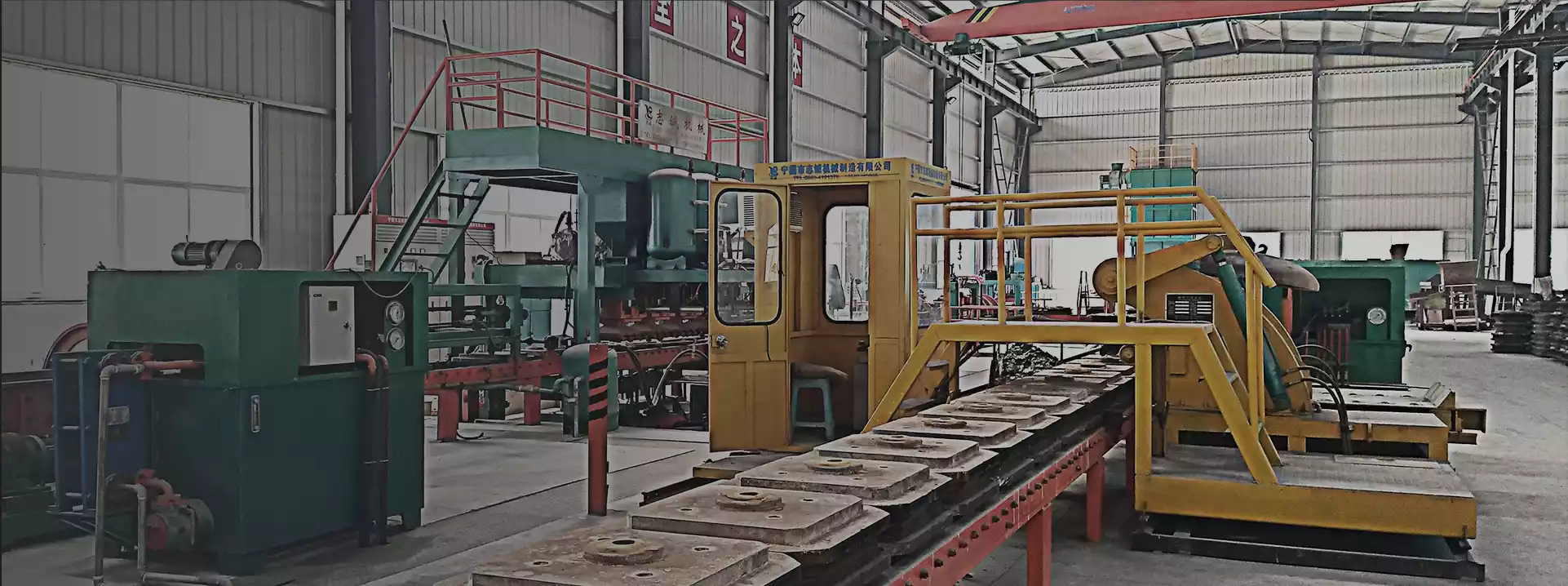
3. Casting
Once the molten metal is ready, it is poured into molds to create rough shapes of balls. This process can be carried out using:
- Sand Molding: A traditional method where sand molds are created for casting.
- Die Casting: A more modern approach that offers precision and uniformity in size.
The cooling process is crucial here, as it affects the microstructure of the balls, influencing their hardness and strength.
4. Heat Treatment
After casting, the balls undergo heat treatment to enhance their mechanical properties. This process generally includes:
- Quenching: Rapidly cooling the balls in water or oil to harden them.
- Tempering: Heating the balls to a specific temperature and then cooling them slowly to relieve stresses and reduce brittleness.
This step is vital to ensure that the grinding balls have the required hardness while maintaining ductility.
5. Surface Finishing
Post heat treatment, the grinding balls require surface finishing to eliminate any irregularities and achieve a smooth finish. This can involve:
- Grinding: Using a grinding machine to refine the surface and ensure uniformity.
- Polishing: If necessary, to enhance the surface quality further and reduce friction during operation.
6. Quality Control
Quality control is integral to the manufacturing process. Various tests are conducted to ensure the grinding balls meet industry standards:
- Hardness Testing: To verify that the balls have the appropriate hardness.
- Microstructure Analysis: To examine the internal structure and ensure uniformity.
- Dimensional Inspection: To check the size and weight of each ball, ensuring they meet specifications.
These tests help identify any defects or inconsistencies early in the process, thereby preventing faulty products from reaching the market.
7. Packaging and Shipping
Once the grinding balls pass quality control, they are packaged for shipment. Proper packaging is essential to prevent damage during transport and storage. Depending on customer requirements, balls can be packaged in bulk, bags, or crates.
8. Continuous Improvement
Manufacturers often engage in research and development to improve the quality of grinding balls continually. This might include experimenting with new materials, refining manufacturing processes, or adopting new technologies.
Conclusion
The manufacturing process of casting grinding balls is intricate and requires careful attention to detail at every stage. From selecting high-quality raw materials to implementing rigorous quality control measures, each step plays a crucial role in producing durable and efficient grinding balls.
Investing in high-quality grinding balls improves the efficiency of your milling operations also contributes to cost savings in the long run. By understanding the manufacturing process, businesses can make informed decisions when sourcing grinding balls for their specific needs.
In summary, whether you are involved in metallurgy, cement production, or other industries relying on grinding processes, knowing how grinding balls are manufactured will help you appreciate their importance and choose the right products for your operations.