


In industries such as mining, cement production, and power plants, the demand for durable and high-performance parts is essential for operational efficiency. One of the most critical components in these industries is the casting ball. Whether used in grinding mills, crushers, or other heavy machinery, the durability and performance of these balls directly impact the productivity of industrial operations.
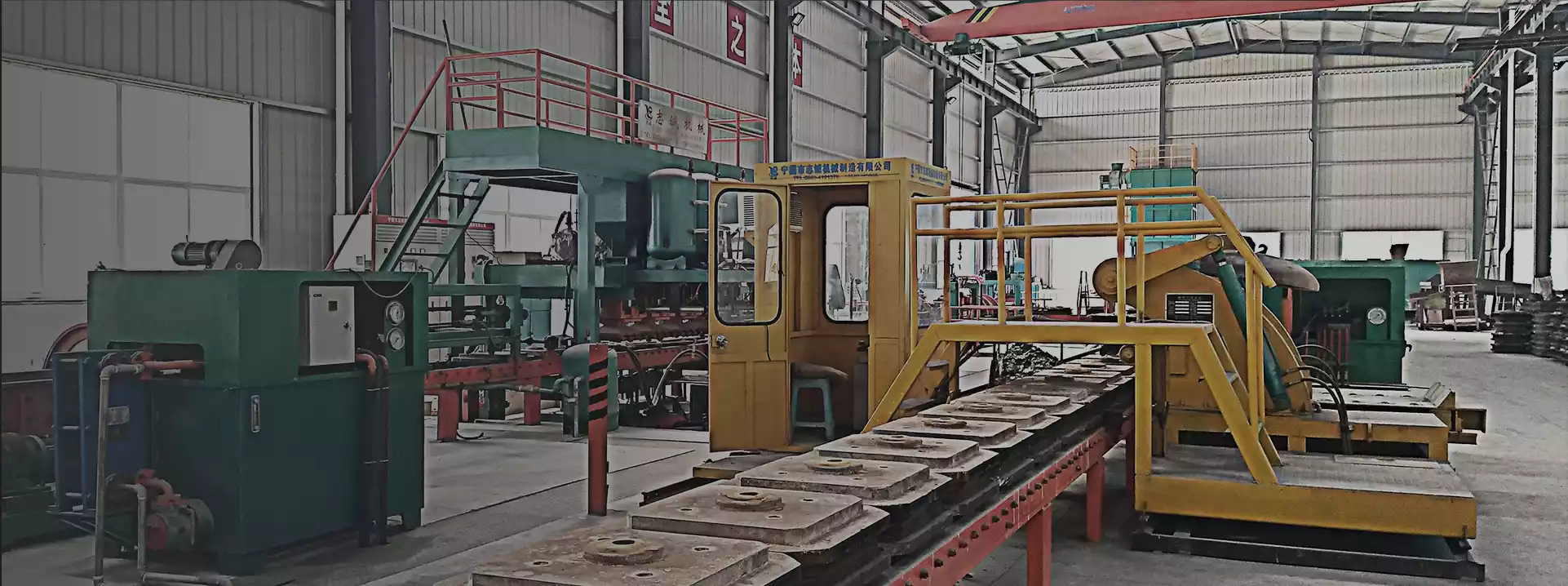
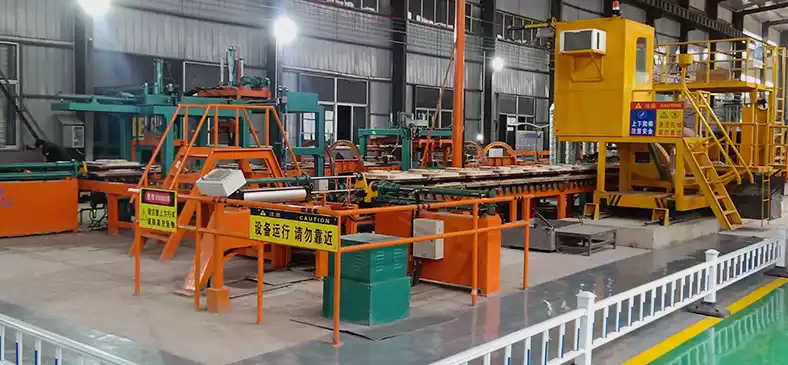
The casting balls production line has emerged as a highly effective and cost-efficient method for producing these essential components. But what makes casting the preferred choice over other manufacturing processes? Let’s explore the key advantages of the casting balls production line.
1. Superior Durability and Wear Resistance of Casting Balls
The primary reason casting balls are highly sought after is their exceptional durability. Typically made from materials like chrome steel, casting balls are known for their hardness and resistance to wear. This is particularly important in industries such as mining, where equipment faces intense wear and tear.
Compared to other processes like forging or machining, casting allows manufacturers to control material properties more precisely. By adjusting the alloy composition during the casting process, manufacturers can produce balls with enhanced resistance to abrasion, erosion, and impact, making them ideal for heavy-duty operations.
2. Energy Efficiency in Casting Ball Production
The casting process is considered energy-efficient, especially when compared to other methods such as forging or machining. These processes generally require higher energy consumption due to the need for repeated mechanical operations or heating.
In contrast, casting involves pouring molten metal into molds, consuming significantly less energy. Once the molds are set up, the casting production line can operate efficiently, resulting in lower energy usage, reduced costs, and a smaller environmental footprint.
3. Customization for Specific Industrial Needs
One of the most significant benefits of using a casting balls production line is the ability to customize the size, shape, and material composition of the balls. Different industries have unique needs, such as specific hardness levels, corrosion resistance, or thermal stability.
With casting, manufacturers can tailor the product to meet these requirements. Whether producing small grinding balls for fine milling or large balls for industrial crushers, casting allows for the precise customization of casting balls. Moreover, different alloys and coatings can be applied to enhance resistance to corrosion or increase hardness, making them more suitable for different industrial environments.
4. Cost-Effective for High-Volume Production
Casting is a highly cost-effective process, particularly for high-volume production runs. After the initial mold creation, the casting process allows for the efficient production of large quantities of parts at a relatively low cost. This is ideal for industries that need a steady supply of components, such as mining and cement manufacturing.
Unlike more intricate processes like forging or machining, casting simplifies production, resulting in significant cost savings. Moreover, the durability of casting molds ensures that they can be reused multiple times, further reducing production costs.
5. Minimal Waste and High Material Efficiency
Casting is also a process that minimizes material waste. Unlike machining, where raw material is removed and discarded, casting involves pouring molten metal into molds, which results in minimal excess material. This leads to higher material efficiency and lower scrap rates.
Additionally, any scrap metal from the casting process can be easily recycled, further improving the sustainability of the process and reducing material costs. The combination of minimal waste and easy recycling makes casting a more environmentally friendly option compared to alternative manufacturing methods.
6. Versatility: Casting Balls for Diverse Applications
Another major advantage of the casting balls production line is its versatility. Casting balls can be made from a wide range of materials, including chrome steel, alloy steel, and other specialized metals for unique applications. This versatility allows manufacturers to produce balls that can withstand high temperatures, corrosive environments, and extreme pressures.
For example, high-chromium steel casting balls offer excellent wear resistance, making them ideal for use in grinding mills. Meanwhile, casting balls made from other alloys can be tailored for use in power plants, chemical processing environments, or even marine applications, where corrosion resistance is a priority.
7. Faster Production and High Throughput
Once the molds are prepared, casting production lines can operate quickly, allowing manufacturers to produce large quantities of casting balls in a short period. The process is highly automated, meaning that manufacturers can maintain high throughput and meet large or urgent orders without sacrificing quality.
Faster production also leads to quicker delivery times, which is crucial for industries that depend on a consistent and reliable supply of components to maintain continuous operations. Whether it’s for routine manufacturing or emergency replacement parts, the speed of the casting process helps meet demanding timelines.
8. Consistency and Precision in Manufacturing
Modern casting techniques like die casting and centrifugal casting ensure that casting balls are produced with a high degree of precision and consistency. These methods help manufacturers achieve tight tolerances and uniformity, which are crucial for applications that require high-quality components.
For industrial equipment such as grinding mills, even small variations in the size or shape of the casting balls can negatively affect performance. With advanced casting technologies, manufacturers can ensure that each ball produced meets exact specifications, reducing defects and improving reliability.
9. Ideal for Complex Shapes and Designs
Casting is particularly effective when manufacturing complex shapes, such as casting balls, because it allows for the creation of intricate designs without the need for extensive machining. This is a significant advantage compared to other methods, like forging, which typically requires more specialized tools.
Casting enables the production of custom shapes, whether it’s a hollow ball for lightweight applications or a solid ball for heavy-duty grinding. This flexibility allows for greater innovation in casting ball design, ensuring that manufacturers can create parts suited to specific needs.
Conclusion: Why Casting is the Best Choice for Ball Production
The casting balls production line offers numerous advantages, making it the preferred choice for industries requiring durable, high-performance components. From superior wear resistance and energy efficiency to the ability to customize materials and designs, casting provides unmatched flexibility and cost-effectiveness.
With faster production rates, minimal waste, and high consistency, casting remains the go-to method for manufacturing high-quality casting balls for industrial applications. When durability, precision, and cost-efficiency are essential, the casting process stands out as the most practical and advantageous solution.