


Table of Contents
High chrome grinding balls are widely used in mining, cement plants, thermal power stations, and chemical industries for efficient material grinding. Compared with forged steel balls, high chromium grinding balls offer superior wear resistance, longer service life, and better cost performance in harsh working environments.
In this guide, we will explain the high chrome grinding ball manufacturing process, the key quality control points, and how advanced production technology ensures stable hardness and low breakage rates.

What Are High Chrome Grinding Balls?
High chrome grinding balls are wear-resistant cast balls made primarily from high chromium white cast iron. Their chromium content typically ranges from 10% to 30%, depending on application requirements. The higher the chromium content, the better the corrosion and wear resistance.
These balls are mainly used in:
- Gold, copper, and iron ore mining
- Cement clinker grinding
- Coal grinding in power plants
- Chemical and building material industries
The performance of grinding balls depends heavily on the manufacturing process. Let’s explore each step in detail.
Step 1: Raw Material Selection
The manufacturing process begins with careful raw material selection. High-quality scrap steel, pig iron, ferrochrome, and alloying elements such as molybdenum or manganese are used.
Key considerations include:
- Precise chromium content control
- Low sulfur and phosphorus levels
- Stable chemical composition
Accurate proportioning ensures that the final grinding balls achieve optimal hardness and impact resistance.
Step 2: Melting and Alloying
Melting is typically carried out in an intermediate frequency electric furnace.
Why Electric Furnace?
- Precise temperature control
- Stable chemical composition
- Reduced impurities
- Higher production efficiency
During melting, ferrochrome and other alloy elements are added to achieve the desired chromium percentage. The molten metal temperature is generally controlled between 1500–1600°C to ensure proper fluidity before casting.
Step 3: Casting Process
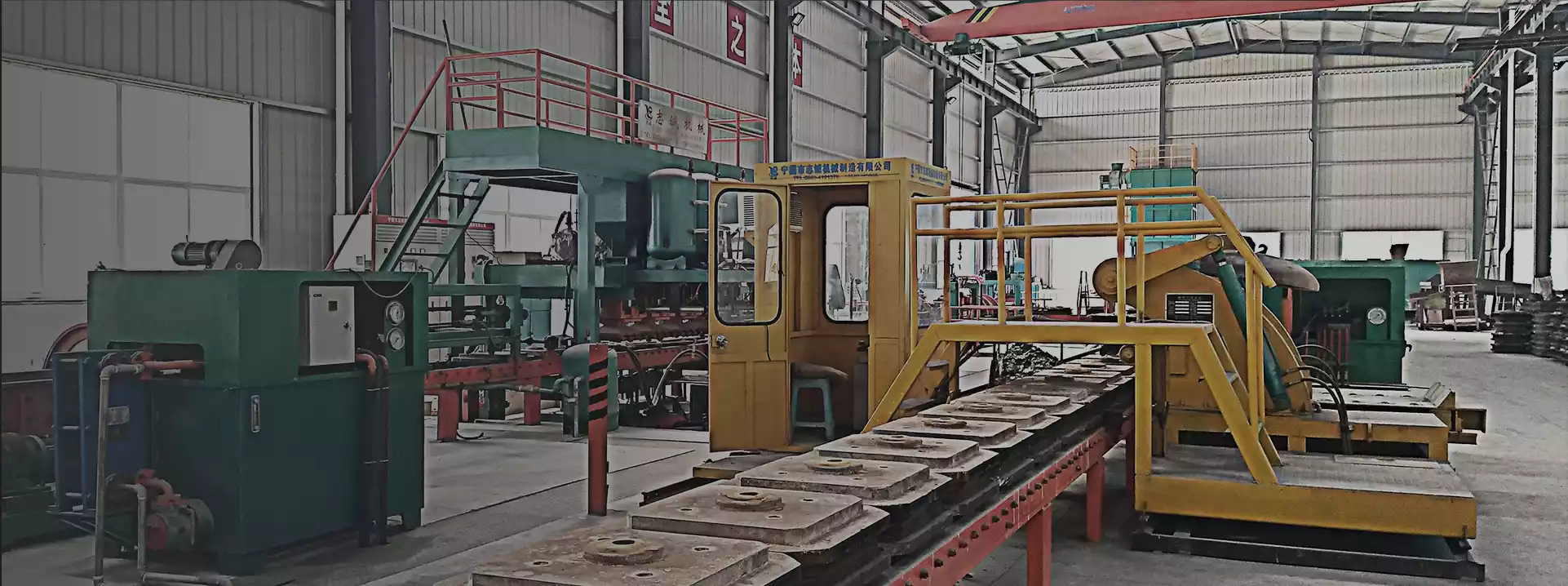
The molten metal is poured into metal molds or sand molds to form grinding balls.
There are two main casting methods:
1. Metal Mold Casting
- Produces higher density balls
- Better surface finish
- Lower porosity
2. Sand Casting
- Suitable for flexible production
- Lower mold cost
- Suitable for small batch orders
Metal mold casting is widely preferred for large-scale industrial production due to its consistent quality and dimensional accuracy.
Step 4: Heat Treatment – The Critical Process
Heat treatment is the most important step in the high chrome grinding ball manufacturing process.
After casting, grinding balls undergo:
1. Quenching
The balls are heated to austenitizing temperature (around 900–1050°C), then rapidly cooled in air or oil. This process forms martensite structure, which provides high hardness.
2. Tempering
Tempering relieves internal stress and improves toughness. It prevents cracking and reduces brittleness.
Proper heat treatment ensures:
- Surface hardness of HRC 58–66
- Uniform internal structure
- Low breakage rate (<1%)
- Improved impact resistance
Without proper heat treatment, even high chromium content cannot guarantee performance.
Step 5: Grinding and Finishing
After heat treatment, grinding balls are cleaned and inspected.
Processes may include:
- Removing casting gates
- Surface polishing
- Shot blasting
- Diameter measurement
High precision sizing ensures smooth operation inside ball mills and reduces uneven wear.
Step 6: Quality Inspection and Testing
Professional manufacturers conduct strict quality control tests before shipment.
Common testing items include:
1. Hardness Testing
Measured using Rockwell hardness tester.
2. Impact Testing
Simulates real mill working conditions.
3. Metallographic Analysis
Examines microstructure under microscope.
4. Chemical Composition Analysis
Confirms chromium and alloy content.
Only products meeting international standards are delivered to customers.
Microstructure of High Chrome Grinding Balls
The excellent wear resistance comes from a combination of:
- Martensite matrix
- Carbide distribution (M7C3 type carbides)
- Uniform structure
A properly controlled carbide network increases abrasion resistance without sacrificing toughness.
Advantages of High Chrome Grinding Balls
Compared with forged steel balls, high chrome grinding balls offer:
- Higher hardness
- Longer service life
- Lower wear consumption
- Reduced ball consumption per ton of ore
- Lower overall operating cost
Although the initial price may be higher, lifecycle cost is significantly lower.
Key Factors That Affect Quality
When evaluating suppliers, consider:
- Chromium percentage consistency
- Heat treatment capability
- Breakage rate data
- Real mill test reports
- Production capacity
A reliable manufacturer will provide technical support and performance data for different mill conditions.
Applications in Different Industries
Mining Industry
Used in ball mills for ore grinding. High chrome balls perform well in abrasive environments.
Cement Industry
Suitable for grinding clinker and limestone.
Power Plants
Effective in coal grinding systems.
Chemical Industry
Resistant to corrosion and chemical attack.
How to Choose the Right High Chrome Grinding Ball
When selecting products, consider:
- Mill type (overflow, grate, SAG mill)
- Feed material hardness
- Required ball diameter
- Chromium percentage (Low, Medium, High Chrome)
- Impact strength requirements
Consulting with an experienced manufacturer helps optimize grinding efficiency and reduce operating costs.
Conclusion
The high chrome grinding ball manufacturing process involves multiple precise steps: raw material selection, melting, casting, heat treatment, finishing, and strict quality inspection. Among these, heat treatment plays the most critical role in determining hardness and durability.
Choosing a manufacturer with advanced production equipment, strict quality control, and proven industry experience ensures you receive high-performance grinding media that reduces wear consumption and improves mill efficiency.
If you are sourcing high chrome grinding balls for mining or cement applications, always request:
- Chemical composition report
- Hardness testing report
- Impact testing results
- Production process details
High-quality manufacturing directly translates into longer service life and lower total cost per ton of material ground.