


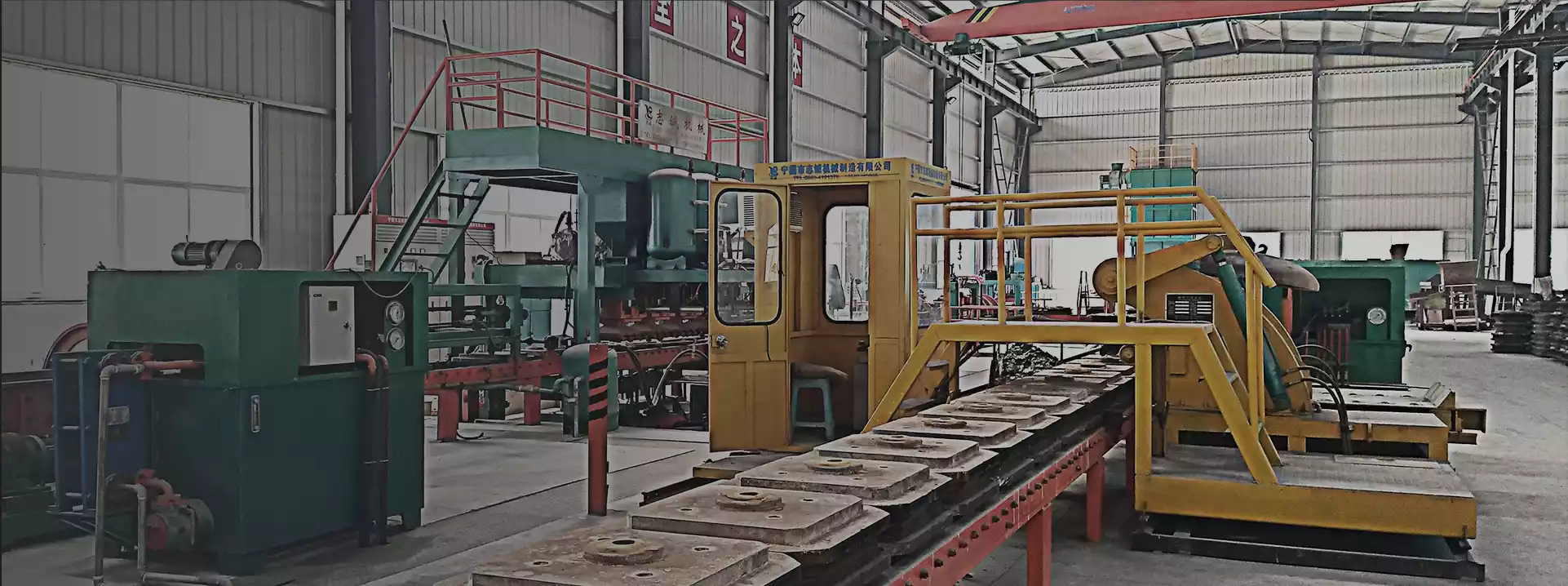
When it comes to choosing the right grinding balls for industrial processes, two prominent options stand out: casting grinding balls and forged grinding balls. Whether you’re involved in mining, cement production, or other grinding operations, understanding the key differences between these two types of grinding media is essential. This article offers a detailed comparison of casting grinding balls vs. forged grinding balls, covering critical factors such as wear resistance, breakage rate, impact toughness, surface quality, and uniformity. By the end, you’ll be equipped to make an informed decision on which type of grinding ball is best suited for your needs.
Table of Contents
1. Wear Resistance:
Wear resistance is a vital property of grinding balls as it determines how well the balls can withstand the constant friction and abrasion during grinding processes. The longer the grinding balls last, the lower the operational costs.
- Casting Grinding Balls: Casting grinding balls, made through a molding process, tend to be more brittle and have relatively lower wear resistance. They may wear out faster under heavy or continuous grinding conditions, although some alloys (like chromium) are added to improve their wear resistance.
- Forged Grinding Balls: In contrast, forged grinding balls have superior wear resistance. The forging process results in a denser, more uniform structure, significantly enhancing their hardness and durability. Forged grinding balls perform better under high-intensity grinding, leading to a longer lifespan.
2. Breakage Rate:
The breakage rate of grinding balls is another important factor to consider, as higher breakage rates can disrupt operations, leading to downtime and increased costs.
- Casting Grinding Balls: Due to their brittle nature, casting grinding balls have a higher risk of cracking or breaking, especially under extreme impact or high-stress grinding conditions. Their mold-cast process sometimes leaves internal defects, which increases their vulnerability to breakage.
- Forged Grinding Balls: On the other hand, forged grinding balls are designed to withstand high-impact conditions. The forging process eliminates internal voids, creating a stronger, more reliable structure that resists cracking, making them a more durable option in heavy-duty grinding applications.
3. Impact Toughness:
Impact toughness is the ability of grinding balls to resist sudden shocks and forces, which is crucial for industries that involve intense grinding conditions.
- Casting Grinding Balls: Generally, casting grinding balls are less impact-tough than forged ones. Their relatively brittle structure makes them more susceptible to damage under high-impact conditions, affecting overall grinding performance.
- Forged Grinding Balls: Thanks to their solid, uniform structure, forged grinding balls provide superior impact toughness. The forging process subjects the balls to intense pressure, which strengthens the material and improves its resistance to sudden impacts.
4. Surface Quality:
The surface quality of grinding balls directly influences both grinding efficiency and the rate at which they wear down. A smooth surface reduces friction and ensures more efficient grinding.
- Casting Grinding Balls: Casting grinding balls may have surface irregularities due to the molding process. These imperfections can lead to increased friction and wear, resulting in reduced grinding efficiency over time.
- Forged Grinding Balls: The forging process ensures a smoother surface, which contributes to better performance and reduced friction. This high-quality surface reduces wear and helps maintain consistent grinding efficiency.
5. Uniformity:
Uniformity refers to the consistency in size, shape, and composition of the grinding balls, which directly affects the grinding process’s stability and efficiency.
- Casting Grinding Balls: Although casting grinding balls are designed to be uniform, slight variations in size or shape may occur during the molding process. These inconsistencies can lead to uneven wear and potentially affect grinding performance.
- Forged Grinding Balls: Forged grinding balls are known for their superior uniformity. The forging process ensures that the balls are consistent in shape, size, and density, which guarantees a more efficient and predictable grinding process.
6. Cost-Effectiveness:
When evaluating grinding balls, cost-effectiveness plays a significant role. While casting grinding balls may offer a lower initial cost, their higher wear and breakage rates can lead to increased replacement costs in the long run.
- Casting Grinding Balls: Typically, casting grinding balls come at a more affordable upfront price, making them a budget-friendly option for industries with less demanding grinding conditions. However, the higher frequency of replacements due to wear and breakage can make them less cost-effective over time.
- Forged Grinding Balls: While forged grinding balls come with a higher initial investment, their durability and longer lifespan make them a more cost-effective choice in the long run. They are designed to withstand harsh conditions and perform reliably over extended periods.
Conclusion: Forged vs. Casting Grinding Balls
In the debate between casting grinding balls and forged grinding balls, the latter typically offers superior performance in areas such as wear resistance, breakage rate, impact toughness, surface quality, and uniformity. If you’re dealing with high-impact, heavy-duty grinding conditions, forged grinding balls are the best choice for ensuring longevity and efficiency in your operations.
Durable Casting grinding balls, while more affordable upfront, may not be as durable or efficient in the long run, especially under intense grinding conditions. They are better suited for lighter, less demanding applications.
Ultimately, choosing between casting grinding balls and forged grinding balls depends on your specific needs, budget, and operational conditions. By carefully considering factors like wear resistance, breakage rate, impact toughness, and cost-effectiveness, you can make an informed decision that optimizes your grinding processes.