


Table of Contents
The demand for high-quality grinding balls is ever-increasing across industries such as mining, cement, and power generation. Traditionally, the manufacturing process for these critical components required a significant amount of manual labor, which could lead to inconsistencies and inefficiencies. However, with advancements in technology, the automatic grinding ball production line has transformed the manufacturing process, offering higher precision, efficiency, and cost-effectiveness. In this article, we will explore what an automatic grinding ball production line is, how it works, and the benefits it provides to industrial operations.

What is an Automatic Grinding Ball Production Line?
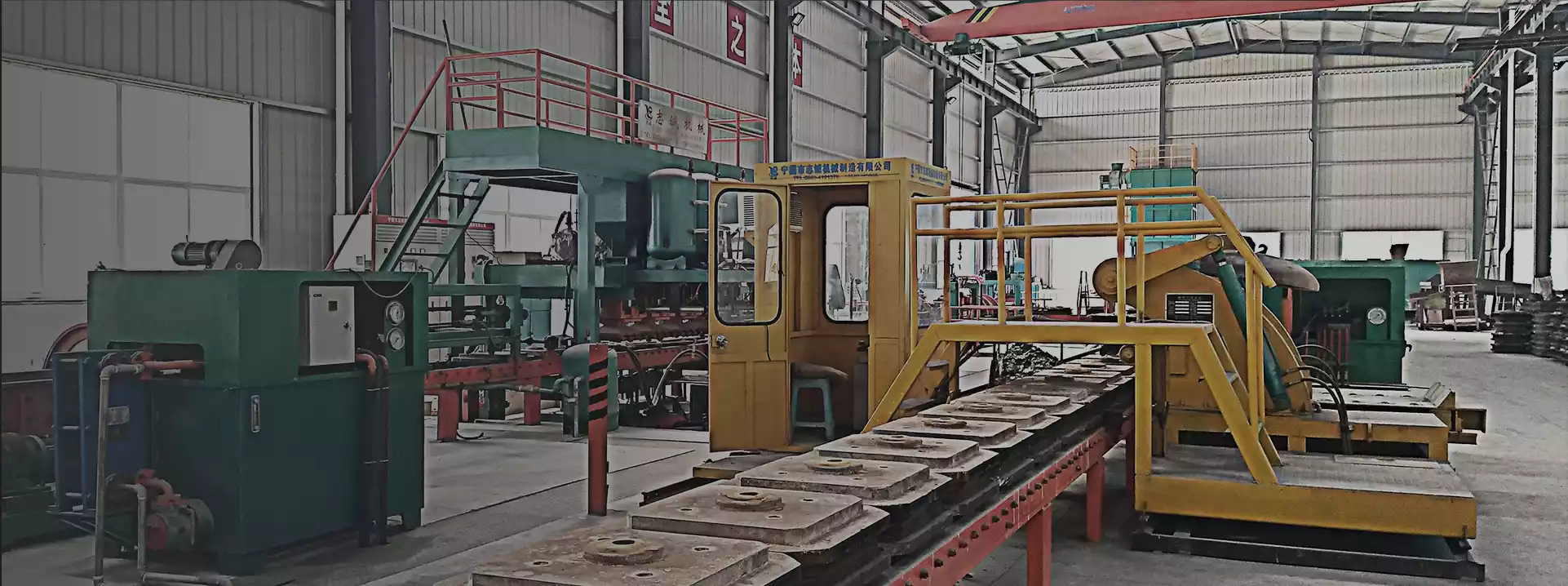
An automatic grinding ball production line is a highly efficient system designed to automate the production of grinding balls used in industrial applications. Grinding balls are essential for the grinding of raw materials in processes such as milling, crushing, and grinding in industries like mining, cement manufacturing, and power generation.
Unlike traditional methods, where much of the process is done manually, an automatic grinding ball production line integrates advanced automation technologies to control various stages of production, such as raw material feeding, heating, forging, and cooling. The result is a consistent, high-quality product produced with minimal human intervention.
How Does an Automatic Grinding Ball Production Line Work?
The working principle of an automatic grinding ball production line is based on advanced technology and automated machinery, which significantly reduces the need for manual labor. The typical process involves the following steps:
1. Raw Material Feeding
The production process starts with raw materials like steel scrap, scrap iron, or other metals being fed into the system. These materials are weighed and placed into the melting furnace, which is the first stage of the process.
2. Melting and Alloying
The raw materials are melted in a furnace, where the necessary alloys are added to create the required chemical composition for the grinding balls. This ensures that the final product meets the specific hardness and wear-resistance standards needed for industrial applications.
3. Forging
Once the material has been melted and alloyed, it is poured into molds to form rough grinding balls. These balls are then subjected to a forging process to shape them into their final spherical form. The forging process also strengthens the balls by improving their internal structure.
4. Heat Treatment
After the grinding balls are forged, they undergo a heat treatment process to further improve their hardness and wear-resistance. The heat treatment involves heating the balls to a specific temperature and then cooling them at a controlled rate.
5. Grinding and Polishing
In this stage, the forged and heat-treated balls are ground to ensure they meet the required size and surface quality. The automated system ensures uniformity in the size of the balls, reducing the chances of defects and variations.
6. Cooling and Quality Control
Once the grinding balls are polished, they are cooled in a controlled environment to prevent any cracking or warping. The automated system also includes a quality control process, where each ball is tested for defects like cracks or deformities. Only the balls that meet quality standards are packaged for shipment.
Benefits of Using an Automatic Grinding Ball Production Line
The integration of automation in the production of grinding balls offers numerous advantages over traditional methods. Below are the key benefits of using an automatic grinding ball production line:
1. Increased Production Efficiency
One of the main benefits of an automatic grinding ball production line is its ability to produce grinding balls at a much faster rate compared to manual production. Automated processes reduce the time spent on each stage, leading to higher output in a shorter time. As a result, manufacturers can meet the increasing demand for grinding balls more effectively.
2. Consistency and Quality Control
Automated systems ensure that each grinding ball is produced with the same high-quality standards. With precise control over variables such as temperature, alloy composition, and cooling rates, the production line minimizes defects and ensures that every grinding ball meets the required specifications. This consistency is crucial in industries where even minor variations can impact performance.
3. Reduced Labor Costs
By automating the manufacturing process, companies can significantly reduce their labor costs. With fewer manual interventions, the production process becomes more streamlined and less dependent on skilled labor. The automated system can run continuously, reducing downtime and optimizing resource utilization.
4. Improved Safety
Automation also enhances safety in the production process. By reducing human involvement in dangerous tasks like handling molten metal or operating heavy machinery, the risk of accidents and injuries is minimized. This makes the overall work environment safer for employees.
5. Customization and Scalability
Modern automatic grinding ball production lines are highly customizable. Manufacturers can adjust the system to produce different sizes and types of grinding balls, making it suitable for a variety of industrial applications. Additionally, these systems are scalable, allowing companies to increase production capacity as demand grows.
Considerations When Choosing an Automatic Grinding Ball Production Line
While the benefits of an automatic grinding ball production line are clear, there are several factors to consider when selecting the right system for your needs:
1. Capacity
The production capacity of the system should match your manufacturing requirements. Choose a line that can produce the volume of grinding balls needed to meet demand while still offering flexibility for future growth.
2. Automation Level
Different production lines offer varying levels of automation. Some systems may require minimal human intervention, while others may have more manual controls. Consider the level of automation that fits your company’s needs, budget, and available workforce.
3. Cost
The initial investment in an automatic grinding ball production line can be significant. However, the long-term savings in labor and operational costs often make the investment worthwhile. Consider factors like energy consumption, maintenance costs, and downtime when evaluating the total cost of ownership.
4. Customization Options
Look for a production line that offers customization options in terms of ball size, material, and alloy composition. This will give you flexibility in catering to different customer needs or specific industrial requirements.
Conclusion
The automatic grinding ball production line is a game-changer for industries that rely on high-quality grinding balls for their operations. By automating the production process, manufacturers can achieve faster production, consistent quality, reduced labor costs, and improved safety. With the added benefits of scalability and customization, this technology is shaping the future of industrial manufacturing. Whether you’re in the mining, cement, or power generation industry, investing in an automatic grinding ball production line can lead to significant operational improvements and cost savings.
Want to dive deeper into the grinding ball production process? Subscribe to our newsletter for industry insights, tips, and case studies on the latest automation technologies.
What is an automatic grinding ball production line?
An automatic grinding ball production line is an industrial system that automates the process of manufacturing grinding balls. It uses advanced automation technology to handle stages like raw material feeding, forging, heat treatment, and quality control, ensuring fast production with high consistency.
How does the grinding ball production line work?
The production line follows a series of steps: raw materials are fed into a furnace, melted, and alloyed. Then, the materials are forged into balls, heat-treated to increase hardness, polished, and cooled. Automated systems ensure high-speed production with minimal manual labor.
What are the benefits of using an automatic grinding ball production line?
Benefits include increased production speed, higher quality consistency, reduced labor and operational costs, and improved safety. Automation reduces human error and offers precise control over the production process, leading to efficient and high-quality output.
How much does an automatic grinding ball production line cost?
The cost of an automatic grinding ball production line depends on factors like capacity, automation level, and customization. On average, an initial investment can range from thousands to millions of dollars. However, long-term savings in labor and operational efficiency make it a worthwhile investment for many manufacturers.
Can the grinding ball production line be customized?
Yes, modern grinding ball production lines offer a high degree of customization. Manufacturers can adjust the system to produce different sizes, types, and compositions of grinding balls based on specific industrial needs.