
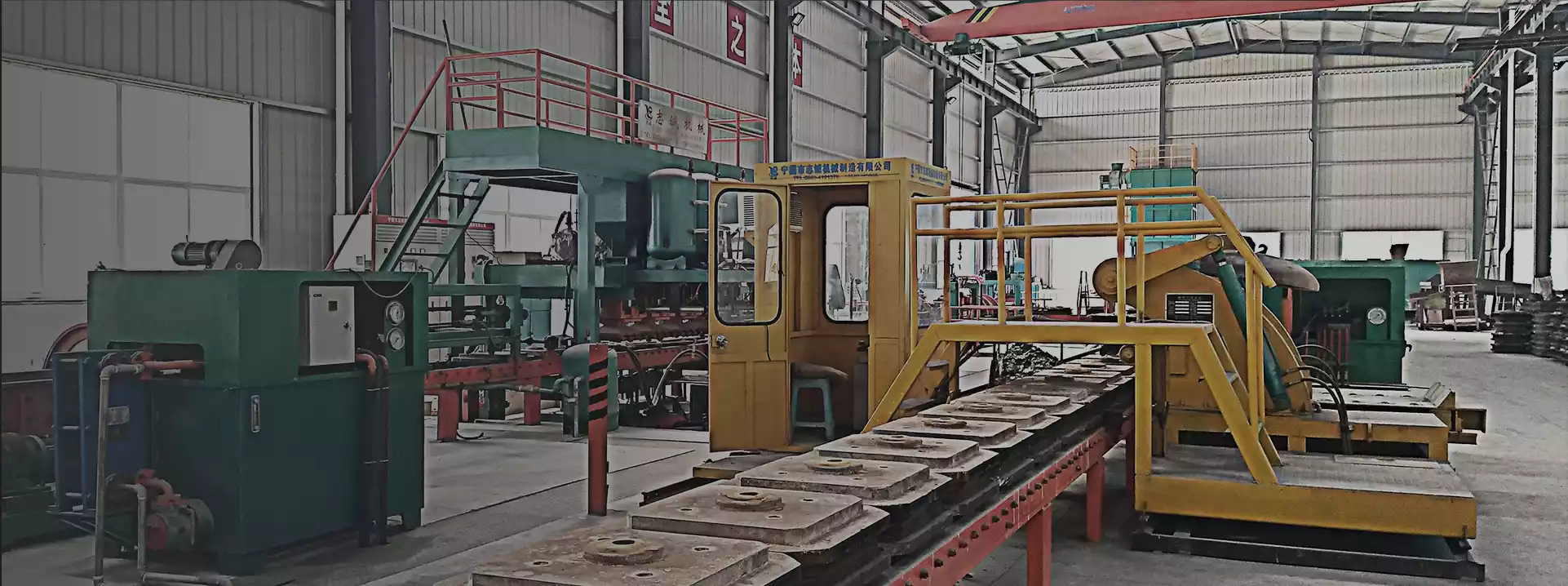
利用自动研磨球分离技术提高效率

2025-11-08

分享:

In industries such as mining, cement production, and materials processing, grinding is a critical operation that affects productivity and costs. Grinding balls, used in ball mills, are key players in this process. However, managing these grinding balls efficiently can be a challenge. Traditional methods of handling grinding balls are labor-intensive, time-consuming, and can lead to increased costs. Automatic grinding ball separation techniques provide a solution to these issues, offering enhanced operational efficiency, reduced labor, and cost savings. In this guide, we will explore how these technologies work and the key benefits they bring to industrial grinding operations.

Automatic Grinding Steel Casting Ball Separation and Sort Equipment Machine

What are Grinding Balls and Why Are They Important?

Grinding balls are vital in the grinding process, where they are used in ball mills to reduce the size of raw materials. Whether it’s for mining, cement production, or chemical processing, grinding balls collide with material inside a rotating mill, breaking it into smaller particles. Over time, these balls wear out, decreasing their effectiveness. Replacing these worn-out balls frequently is crucial to maintaining grinding efficiency.

Key Challenges in Grinding Ball Management

Effective grinding ball management presents several challenges:

  1. Ball Wear and Tear: Grinding balls wear down over time, reducing grinding efficiency.
  2. Ball Loss: Grinding balls can be lost due to spillage or improper handling, leading to waste.
  3. Uneven Ball Distribution: Inconsistent ball sizes or quantities affect the efficiency of grinding.
  4. Safety Hazards: Manual handling of grinding balls poses safety risks to workers.
  5. High Operational Costs: Traditional ball management systems require labor-intensive efforts, increasing operational expenses.

How Automatic Grinding Ball Separation Works

Automatic grinding ball separation systems utilize advanced technologies to separate and manage grinding balls without manual intervention. These systems enhance efficiency by automating the recovery, sorting, and recycling of grinding balls. Here’s how:

  • Magnetic Separation: Ferrous grinding balls are attracted to magnetic separators, which efficiently recover and reuse them.
  • Vibratory Systems: Vibratory screens and conveyors separate grinding balls from other materials, ensuring their recovery.
  • Pneumatic Conveyance: Pneumatic systems use air pressure to move balls into storage, minimizing manual labor.
  • Optical Sorting: Optical sorting systems identify and separate grinding balls based on size and material, ensuring optimal reuse.

Benefits of Automatic Grinding Ball Separation

By implementing automatic grinding ball separation systems, companies can achieve the following benefits:

  1. 提高效率: Automation reduces the need for manual labor and minimizes downtime, improving overall operational efficiency.
  2. Cost Savings: Recovering and reusing grinding balls reduces the need for purchasing new ones, leading to significant cost savings.
  3. 提高安全性: Automation minimizes worker exposure to risks associated with manual handling, creating a safer work environment.
  4. Resource Optimization: Automatic systems recover grinding balls at a higher rate, ensuring that valuable resources are reused effectively.
  5. Consistency and Quality: The efficient separation process leads to consistent quality in the grinding process, improving the final product.
  6. 环境效益: Reducing the need for new grinding balls and recycling used ones contributes to a more eco-friendly operation.
  7. Data-Driven Insights: Many systems come with sensors that track ball performance, providing valuable data to optimize the grinding process.

How to Implement Automatic Grinding Ball Separation

While the benefits of automatic separation are clear, implementing such systems requires careful planning and consideration:

  1. Initial Investment: Though automatic systems can be costly to implement initially, the long-term savings in labor and resource recovery can justify the expense.
  2. System Integration: Ensure that the automatic separation system is compatible with existing equipment to avoid disruption in operations.
  3. Maintenance Requirements: Regular maintenance is necessary to keep the system running smoothly. Implementing a scheduled maintenance plan can prevent downtime.
  4. Staff Training: Workers must be trained to operate and maintain the automatic separation system to ensure optimal performance.

The Future of Automatic Grinding Ball Separation

As industries continue to move towards automation, the role of automatic grinding ball separation will only grow. The system’s ability to reduce operational costs, enhance safety, and optimize resource use makes it an attractive investment for companies looking to improve efficiency. Moreover, the emphasis on sustainability in modern industries means that automatic ball separation is increasingly becoming a necessity for eco-conscious manufacturers.

结论

Automatic grinding ball separation techniques offer a smarter, more efficient way to manage grinding balls, leading to enhanced productivity, cost savings, and safety. By automating the process of ball recovery, sorting, and recycling, industries can significantly reduce waste, lower operational costs, and improve the efficiency of the grinding process. As automation continues to shape the future of industrial operations, the role of these advanced systems will only become more critical.

If you’re interested in improving your grinding efficiency, investing in automatic grinding ball separation technology could be the game-changing solution your company needs.

从今天开始与我们合作!

联系志诚支持团队。

如果您对我们的产品感兴趣,想了解更多详情,请在此留言,我们会尽快回复您。

联系我们