


Table of Contents
An automatic hot metal transfer system plays an important role in automated grinding ball production. By supporting the movement of molten metal within the casting process, it helps reduce manual handling and maintain coordination between production stages. However, reliable operation depends not only on equipment design but also on regular inspection and proper maintenance.
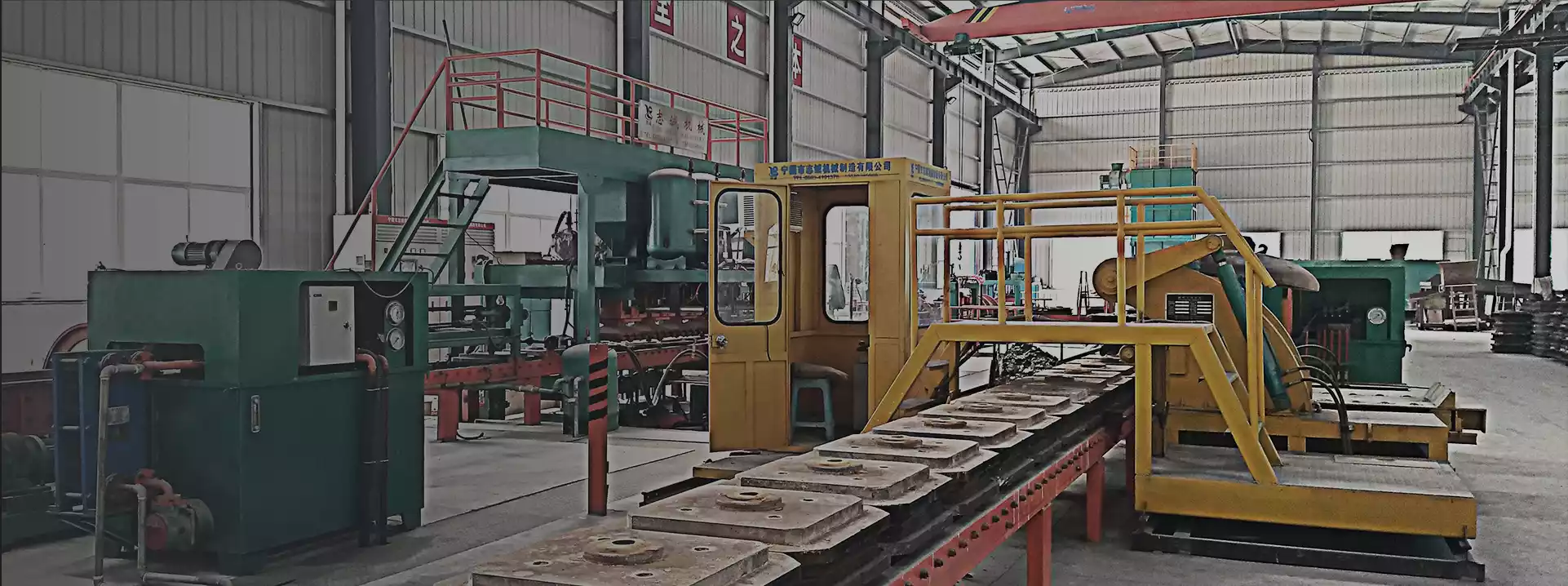
Ningguo Zhicheng Machine Manufacturing Co., Ltd., founded in 2008, specializes in the research, development, manufacturing, and sales of casting equipment, heat treatment equipment, casting molds, and environmental protection equipment. Its automatic casting production line with a hot metal transfer system is designed to support automated grinding ball production while saving floor space and labor.
For foundries, a practical maintenance routine should focus on equipment condition, movement stability, control functions, and workplace safety.
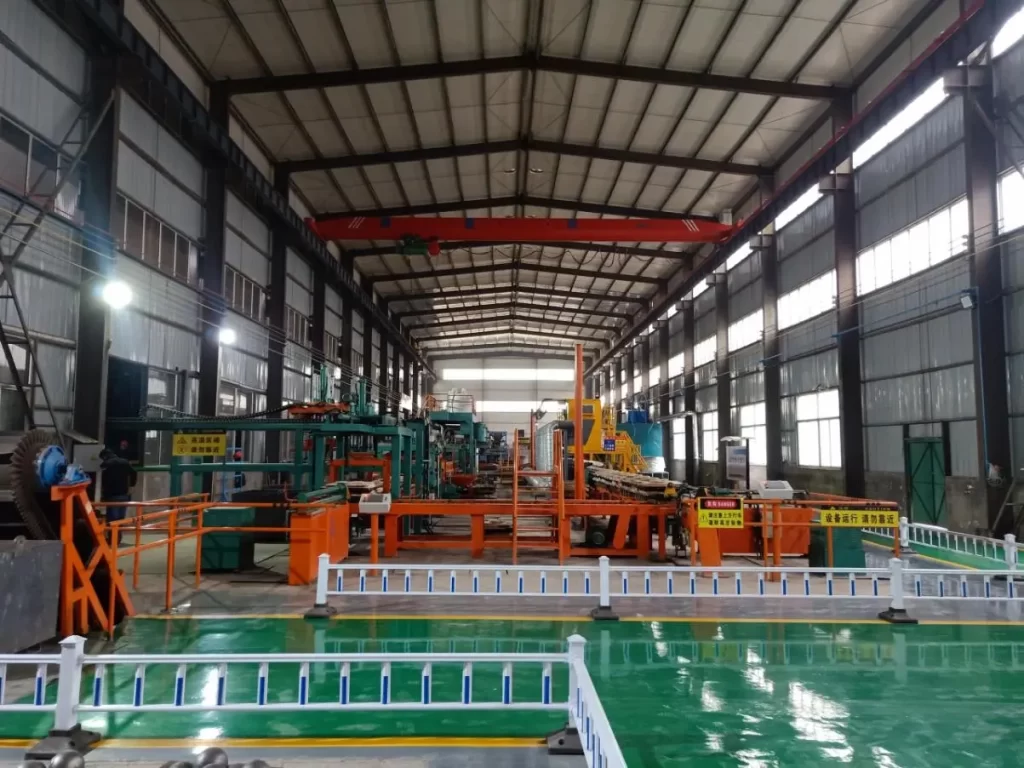
1. Inspect the Equipment Before Each Production Shift
A basic visual inspection can help identify developing problems before they interrupt production. Before starting the system, operators should check for loose connections, visible damage, unusual wear, and any obstacles around the transfer route.
The inspection should also cover the surrounding work area. Accumulated debris, spilled materials, or misplaced tools may interfere with equipment movement or create safety risks. Any abnormal condition should be reported and resolved before the system returns to operation.
For an automatic hot metal transfer system, consistent pre-shift inspections are especially important because the equipment operates in a high-temperature foundry environment. Small mechanical problems can become more serious when the system is working under production pressure.
2. Check the Transfer Route and Movement Components
Stable movement is essential to the reliable operation of a hot metal transfer system. Operators and maintenance personnel should inspect the designated transfer route and the relevant moving components for obstruction, abnormal wear, looseness, or signs of deformation.
During a controlled operating check, pay attention to whether movement is smooth and consistent. Unexpected vibration, unusual noise, hesitation, or irregular stopping may indicate a developing mechanical issue.
The inspection should follow the actual equipment configuration. Different systems may use different movement and support arrangements, so maintenance personnel should refer to the manufacturer’s drawings and instructions rather than apply the same inspection procedure to every installation.
Keeping the transfer route clear and addressing abnormal movement early can reduce avoidable interruptions and help maintain a stable production rhythm.
3. Verify Electrical and Control Functions
Automated equipment relies on its electrical and control functions to carry out operations in the intended sequence. Maintenance checks should therefore include relevant control cabinets, electrical connections, operating interfaces, and safety devices where fitted.
Operators should confirm that normal commands produce the expected response and that the equipment does not display unexplained alarms or inconsistent operating behavior. If the system includes position detection, limit switches, or other monitoring devices, these should be inspected and tested according to the manufacturer’s procedures.
Electrical work and control-system adjustments should be performed by qualified personnel. Safety interlocks should never be bypassed to keep production running.
For hot metal transfer system maintenance, control checks are particularly useful because a fault may not always be visible during a routine visual inspection. Reviewing alarms and operating records can help technicians distinguish an isolated issue from a recurring problem.
4. Follow the Correct Lubrication and Wear-Inspection Schedule
Friction and wear can gradually affect moving mechanical components. Where lubrication points are provided, maintenance personnel should use the specified lubricant and follow the recommended service intervals. Excessive lubrication, an unsuitable lubricant, or missed maintenance can all create problems.
Components exposed to repeated movement and high operating temperatures also require attention. Personnel should look for unusual wear, loose fasteners, surface damage, or other changes that may affect equipment stability.
Lubrication requirements vary according to component design and operating conditions. The maintenance team should not assume that every part requires the same treatment. Components that must remain free of lubricant or that use sealed assemblies should be handled according to the equipment documentation.
A clear maintenance schedule helps ensure that inspections and servicing are completed consistently rather than postponed until a fault occurs.
5. Examine Heat-Related Risks and Workplace Safety
Molten metal presents serious hazards, so maintenance planning must account for the conditions in which the transfer system operates. Before production, personnel should check that the designated working area is clear and that required protective measures are in place.
During operation, they should watch for abnormal heat exposure, visible damage to relevant protective components, or conditions that could affect safe movement. Any suspected defect that may compromise containment or safe transfer requires immediate attention under the foundry’s established safety procedures.
Maintenance work should only begin after the equipment has been placed in a safe condition. Where inspection involves hot surfaces, moving machinery, or electrical equipment, the appropriate isolation, cooling, and verification procedures must be followed.
The exact checks depend on the installed system and the foundry’s risk assessment. A general checklist should support, not replace, the manufacturer’s instructions and site-specific safety requirements.
6. Review Operating Records and Recurring Faults
Maintenance records provide useful information about equipment condition over time. A practical record should include inspection dates, observed abnormalities, completed repairs, replaced components, and any recurring alarms or operating interruptions.
When the same fault appears repeatedly, technicians should investigate its underlying cause rather than repeatedly correcting only the immediate symptom. For example, recurring movement irregularities may require a broader examination of alignment, wear, or control behavior, depending on the equipment design.
Operating records can also help maintenance teams plan servicing around production schedules. This makes it easier to prepare the necessary parts and personnel before a known maintenance task becomes urgent.
Tracking these details supports automatic hot metal transfer system reliability by making maintenance decisions more consistent and evidence-based.
7. Combine Preventive Maintenance with Operator Training
Even a well-maintained system can experience avoidable problems if operators are unfamiliar with its normal operating behavior. Training should cover approved start-up and shutdown procedures, routine inspection points, alarm reporting, and the correct response to abnormal conditions.
Operators should know when to stop the equipment and contact maintenance personnel rather than attempt unauthorized adjustments. Maintenance staff, meanwhile, should understand the system’s configuration and keep service procedures aligned with the manufacturer’s latest documentation.
A clear division of responsibilities helps ensure that routine checks are completed without allowing unqualified personnel to perform repairs beyond their authorization.
8. Build a Practical Maintenance Checklist
A useful maintenance program does not need to be complicated. It should identify what must be checked, who is responsible, how abnormalities are reported, and when qualified personnel must carry out further inspection.
A typical checklist can include:
- Before operation: inspect the equipment exterior, transfer route, visible connections, and surrounding work area.
- During operation: observe movement consistency, unusual noise, alarms, and any visible abnormal conditions.
- At scheduled intervals: inspect relevant moving components, lubrication points, electrical connections, and safety devices according to the equipment documentation.
- After maintenance: confirm that repairs are complete, protective devices are restored, and the equipment is safe to return to service.
- Over time: review service records and recurring faults to identify areas requiring further attention.
The inspection frequency should reflect operating hours, production intensity, environmental conditions, and the manufacturer’s recommendations. A checklist is most effective when it is specific to the actual installation and updated when equipment or operating conditions change.
Frequently Asked Questions
1. How often should an automatic hot metal transfer system be inspected?
Basic visual and operational checks should be carried out at the intervals specified by the manufacturer and the foundry’s operating procedures. More detailed inspections should follow the recommended maintenance schedule and take account of operating hours and working conditions.
2. What are the common signs that maintenance may be required?
Unusual noise, unexpected vibration, irregular movement, repeated alarms, loose components, and visible damage can all indicate a potential problem. The equipment should be assessed before continued operation if a fault could affect safe or reliable performance.
3. Can routine maintenance reduce production interruptions?
Yes. Regular inspection can help identify wear, loose connections, and developing faults before they cause an unexpected stoppage. The benefits depend on completing the recommended maintenance tasks and addressing the underlying causes of recurring problems.
4. Should operators repair faults during production?
Operators should follow approved operating and emergency procedures. Repairs, electrical work, control adjustments, and other tasks requiring technical authorization should be handled by qualified personnel after the equipment has been made safe.
5. What information should be included in a maintenance record?
Records should include inspection dates, operating abnormalities, alarms, repairs, parts replaced, and follow-up actions. Consistent records make it easier to identify recurring issues and plan preventive maintenance.
Conclusion
Reliable operation of an automatic casting line requires more than automation alone. Regular equipment inspections, checks of movement and control functions, appropriate servicing, attention to high-temperature hazards, and accurate maintenance records all contribute to safer and more consistent production.
Ningguo Zhicheng Machine Manufacturing Co., Ltd. develops casting and related production equipment for foundry applications. By following equipment-specific maintenance instructions and establishing a consistent inspection routine, manufacturers can support the long-term performance of their automatic hot metal transfer systems and reduce avoidable production interruptions.