


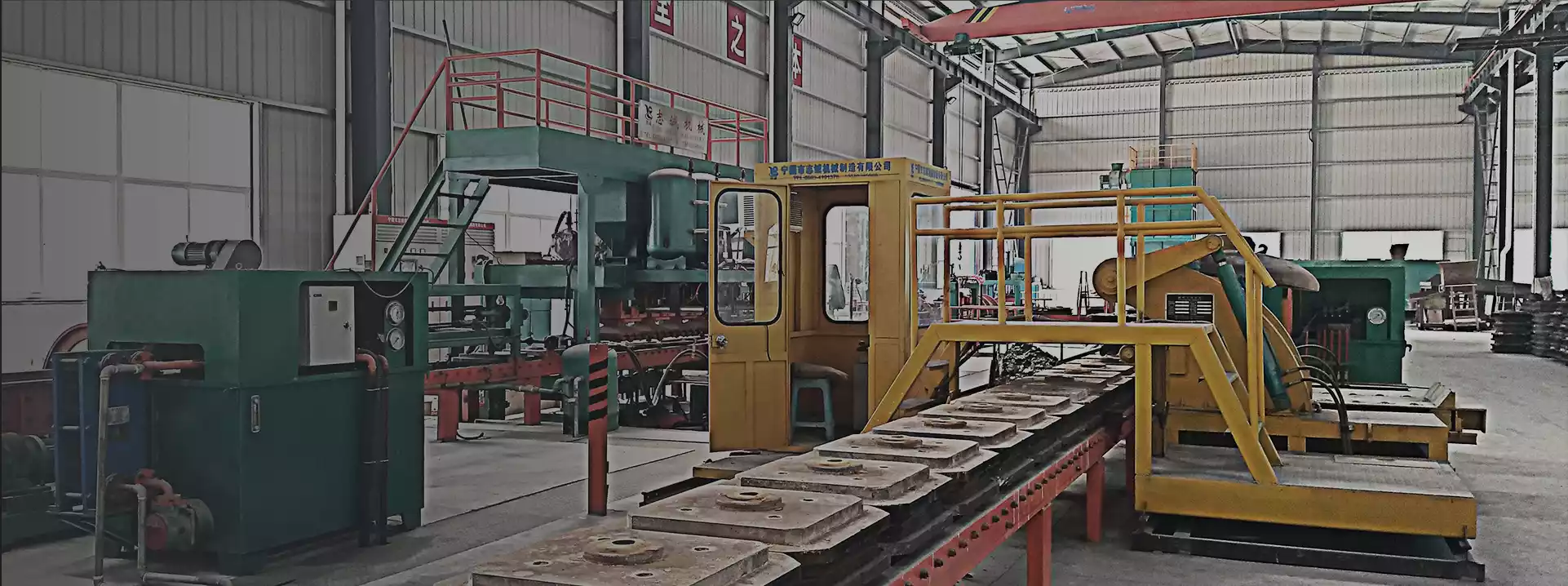
Table of Contents
The operating cycle of a grinding ball production line affects how smoothly a foundry can organize its daily manufacturing work. When molding, pouring, cooling, and mold handling are properly coordinated, the equipment can maintain a more consistent production rhythm. Delays at any stage, however, may interrupt the sequence and reduce the effective use of the entire line.
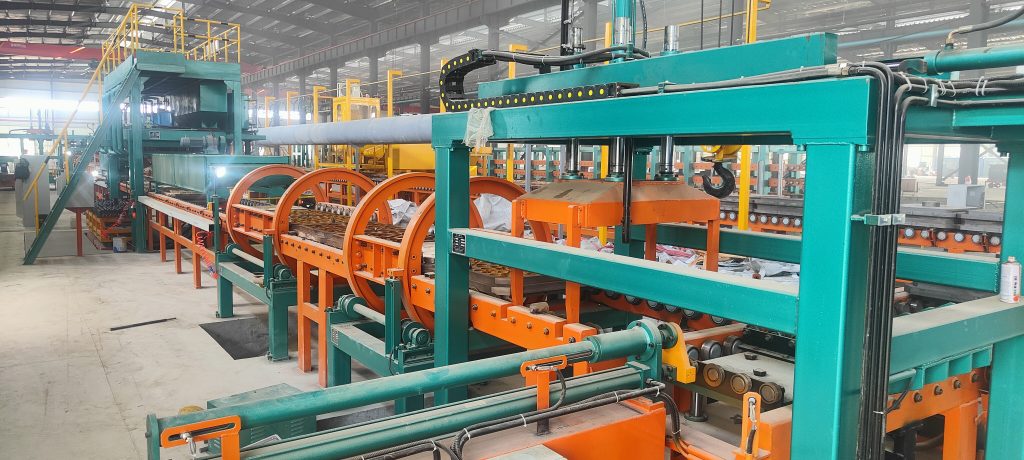
An automatic casting grinding balls production line integrates multiple operations into a coordinated system. Its actual operating cycle depends not only on individual machine speeds but also on mold configuration, molten metal supply, cooling requirements, control performance, and the readiness of supporting operations. Understanding these factors helps manufacturers evaluate equipment performance and establish realistic production expectations.
Ningguo Zhicheng Machine Manufacturing Co., Ltd. specializes in the development and manufacture of casting equipment, heat treatment equipment, casting molds, and environmental protection equipment. Its automatic casting solutions are designed to support foundries with different production requirements. When evaluating a production line, understanding how its main components work together is an important step toward selecting a suitable configuration.
1. Coordination Between Molding, Pouring, and Cooling
The production cycle begins with the coordination of the main casting operations. In a typical process, coated sand forms the required mold cavities, molten iron is poured into the molds, and the castings are allowed to cool before discharge.
Each stage must be ready for the next operation. If molding finishes before the pouring station is available, the molds may have to wait. Similarly, if pouring is completed but mold handling is delayed, the following operations may not proceed as planned.
A well-coordinated automatic casting grinding balls production line connects these operations in a defined sequence. Since molding, pouring, and cooling may require different amounts of time, the overall cycle depends on how effectively the stages work together.
Manufacturers should therefore assess the complete production sequence instead of focusing only on the speed of an individual machine. Identifying waiting time between operations can help reveal where adjustments may improve the overall workflow.
2. Mold Configuration and Grinding Ball Sizes
Mold configuration affects both product flexibility and production planning. Different grinding ball diameters may require different mold arrangements, and changes in product specifications can influence preparation time and equipment adjustments.
The available production line supports grinding balls with diameters ranging from 30 mm to 150 mm. The listed metal mold sizes are 630 × 630 mm and 840 × 840 mm. The system can also produce two different ball sizes simultaneously.
These options allow foundries to plan production around their product requirements. However, producing different sizes requires appropriate mold preparation and process settings. The effect on the operating cycle depends on the selected configuration and how production is scheduled.
When evaluating an automatic grinding ball casting machine, buyers should consider the required ball diameters, compatible mold sizes, and frequency of product changes. A suitable configuration can reduce unnecessary adjustments and make production planning more manageable.
3. Pouring Stability and Molten Metal Supply
Pouring is a critical stage because molten metal must enter the molds under appropriate process conditions. The availability of molten metal, the readiness of the pouring system, and coordination with mold handling all influence the production sequence.
If the pouring system is not ready when a mold reaches the pouring position, the line may need to wait. Inconsistent operation can also make it more difficult to maintain a predictable rhythm across successive molds.
An integrated casting line uses a tilting-type pouring system and coordinated mold-handling mechanisms. Hydraulic, pneumatic, and electrical components perform different functions, while the control system helps organize their operation.
For foundries considering an automatic casting grinding balls production line, the important question is whether the pouring system can maintain a stable working rhythm under the intended production conditions. Molten metal supply and planned output should be evaluated together to avoid interruptions caused by insufficient preparation.
4. Cooling Time and Mold Turnover
Cooling is an essential part of the casting cycle. After pouring, the metal needs sufficient time to solidify before the casting can be released from the mold. Shortening the cooling interval without considering the process requirements may affect casting quality or complicate mold opening and discharge.
On the other hand, unnecessary delays after cooling can reduce equipment utilization. The goal is to establish a suitable interval that supports reliable casting while allowing subsequent operations to proceed efficiently.
The production line includes mold opening and closing units, turnover mechanisms, and a discharge position. These components help move molds through the required stages and release the grinding balls after cooling.
The appropriate cooling interval depends on ball size, material composition, mold conditions, and the specific casting process. It should be determined through process evaluation rather than estimated solely from the speed of the machine’s mechanical movements.
5. Control Systems and Operating Tempo
Control performance influences how consistently the production line follows its intended sequence. The equipment uses PLC automatic control and a human-machine interface (HMI), allowing operators to monitor operating conditions through a touch screen. The product information also lists automatic alarms, remote maintenance, and fault diagnosis functions.
These features help operators identify abnormal conditions and respond to equipment problems. When a station requires intervention, the control interface can assist in locating the affected part of the process.
The listed equipment has an installed power capacity of 100 kW, excluding the air compressor. Its specified unloading tempo is 50 seconds per operation.
This figure should be interpreted carefully. The 50-second unloading tempo does not necessarily represent the complete cycle for molding, pouring, cooling, and discharge. Actual production depends on the overall sequence, equipment configuration, process conditions, and interruptions during operation.
When comparing an automatic grinding ball casting machine, buyers should ask suppliers to distinguish between the operating time of an individual station, the complete production cycle, and the expected finished output under specified conditions.
6. Operator Tasks and Equipment Readiness
Automation reduces the need for manual coordination of every movement, but trained operators remain important. Depending on the production arrangement, staff may be responsible for sand molding, pouring, mold cleaning, waste sand mold removal, and equipment monitoring.
The product information lists four operators for the molding line, with tasks distributed across sand molding, pouring, mold cleaning, and waste sand mold cleaning. Actual staffing requirements may vary with the workshop layout and production arrangements.
Delays can occur when materials are not prepared in advance, cleaning tasks fall behind, or an operator is unavailable at a critical station. Routine checks of molds, drive mechanisms, sensors, and control functions can help reduce avoidable interruptions.
A practical production plan should include these supporting tasks instead of estimating output solely from the machine’s nominal operating tempo. Reliable material supply, clear task assignments, and timely fault response all contribute to a more consistent production cycle.
7. How to Evaluate the Actual Operating Cycle
Manufacturers should collect data from the complete production process when evaluating the operating cycle. Useful measurements include the time required for molding, pouring, cooling, mold turnover, and discharge, as well as the waiting time between operations.
When evaluating casting grinding ball cycle time, manufacturers should record the time required for each production stage and identify delays between molding, pouring, cooling, and discharge.
| Evaluation item | What to check |
| Molding time | Whether sand preparation and mold forming keep pace with subsequent operations |
| Pouring time | Whether the pouring system and molten metal supply are ready when required |
| Cooling interval | Whether the selected interval suits the casting process and ball specifications |
| Mold handling | Whether opening, closing, turnover, and discharge involve unnecessary waiting |
| Control performance | Whether working stations remain coordinated and faults can be identified promptly |
| Labor and material readiness | Whether operators, coated sand, molds, and molten metal are available on time |
Measurements should be collected across repeated production runs under comparable conditions. This helps distinguish normal process time from delays caused by material shortages, equipment interruptions, or changes in product specifications.
Comparing planned output with actual output is also useful. A machine may complete an individual movement quickly while the overall line still experiences delays elsewhere. Reviewing the entire sequence helps manufacturers identify the stage that limits production and make adjustments based on actual operating data.
Frequently Asked Questions
1. What is the operating cycle of a grinding ball production line?
The operating cycle refers to the sequence and time required to complete the relevant production operations. Depending on the equipment arrangement, these operations may include molding, pouring, cooling, mold handling, and discharge. The complete cycle should be distinguished from the time required for a single machine movement.
2. Does a 50-second unloading tempo mean the line produces finished balls every 50 seconds?
Not necessarily. The listed 50-second figure refers to the unloading operation. It does not establish the full production cycle or the total output of finished grinding balls. Actual output depends on the coordination of all production stages and the operating conditions.
3. How does grinding ball diameter affect the operating cycle?
Different ball diameters may require different mold configurations and process settings. These differences can affect preparation, cooling, and mold handling. The actual impact depends on the selected equipment configuration and the casting process.
4. Can one production line manufacture different grinding ball sizes?
The listed equipment supports grinding ball diameters from 30 mm to 150 mm and can produce two different sizes simultaneously. The appropriate mold configuration and operating arrangements should be confirmed according to the intended products.
5. How can manufacturers reduce unnecessary production delays?
Manufacturers can review waiting time between stations, ensure that molten metal and molding materials are ready, maintain equipment regularly, and monitor the complete production sequence. These measures help identify avoidable interruptions without compromising the cooling and casting requirements.
Conclusion
The operating cycle of an automatic casting grinding balls production line is influenced by molding, pouring, cooling, mold configuration, control systems, and supporting workshop activities. No single machine parameter fully represents the time required for the entire process.
Selecting a suitable equipment configuration and evaluating the complete production sequence help foundries establish realistic cycle-time expectations and maintain consistent daily operations. By considering product specifications, working conditions, and required output together, manufacturers can make more informed decisions when planning a new grinding ball foundry or upgrading existing equipment.
Ningguo Zhicheng Machine Manufacturing Co., Ltd. provides casting equipment and technical support based on workshop layouts and production requirements. Clear information about grinding ball sizes, expected output, and operating conditions helps determine a suitable production line configuration for the intended application.