


Table of Contents
In grinding ball foundries, molding and casting are closely connected processes. However, they do not always need to operate at exactly the same pace. When one stage depends too heavily on the other, a delay in molding can affect casting, while a slowdown in casting can also interrupt mold preparation.
A better production line should therefore provide coordination without making every stage completely dependent on the same operating cycle. This is one of the key considerations when designing an automatic grinding ball production line for high chrome grinding ball manufacturing.

Ningguo Zhicheng Machine Manufacturing Co., Ltd. specializes in the development and manufacture of casting equipment, heat treatment equipment, casting molds, and related equipment. Its experience in wear-resistant casting provides technical support for integrated grinding ball production systems.
Why Can Molding and Casting Interfere With Each Other?
Molding and casting perform different jobs in the production process.
The molding section prepares the molds required for casting, while the casting section fills the prepared molds with molten metal. Although the two processes must work together, their operating conditions are not always identical.
For example, if mold preparation becomes slower, the casting section may have fewer prepared molds available. If casting is temporarily delayed, completed molds may accumulate and affect the movement of the molding section.
When these processes are connected too rigidly, a short delay can spread from one workstation to another. This may lead to waiting time, unnecessary handling, and interruptions in production.
The solution is not simply to make every machine run faster. A more practical approach is to give different sections enough independence to handle changes in production speed.
How Does the Automatic High Chrome Grinding Ball Production Line Address This Issue?
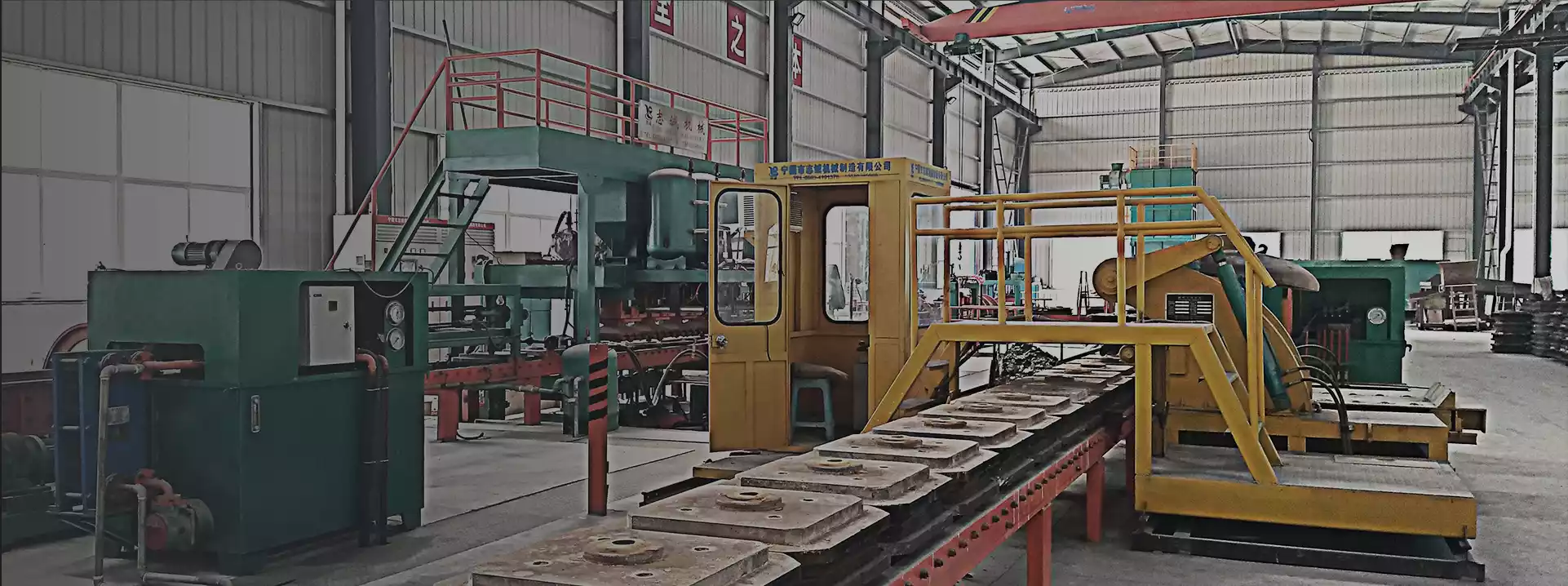
The Automatic High Chrome Grinding Ball Production Line is designed around separate molding and casting sections rather than treating the entire process as one rigid movement.
Its molding system includes different operating areas, while the casting section has its own working arrangement. Two motorized roller tracks connect the relevant areas and provide controlled movement of sand boxes.
This structure allows the molding and casting sections to cooperate while maintaining a certain degree of operational independence.
For a foundry, this means that a temporary delay in one area does not necessarily have to stop the entire production line immediately.
What Is the Role of the Grinding Ball Molding Line?
The grinding ball molding line is responsible for preparing the molds used during casting.
According to the product design, the molding line is divided into an opening area, molding area, and closing area. Two stepper box feeders help organize the movement between these sections.
This arrangement is important because mold preparation involves several separate operations. Opening, molding, and closing do not have to be treated as one single action.
By dividing the work into different areas, each stage can be managed more clearly. If one operation takes slightly longer than expected, the effect on other operations can be better controlled.
The structure also makes the production line easier to organize around the actual movement of the sand boxes.
How Do Motorized Roller Tracks Connect the Two Processes?
The transfer of sand boxes is an important part of the production line because the molding and casting sections still need to remain connected.
The system uses two motorized roller tracks to move sand boxes into and out of the relevant production areas.
Instead of requiring all sections to move at the same speed, the roller tracks provide a controlled transfer route between molding and casting.
This can help reduce unnecessary manual handling and make the movement of molds more consistent.
More importantly, the transfer system supports the independent operation of the two main sections. Molding and casting remain part of the same production system, but a temporary difference in operating speed does not necessarily have to interrupt both processes at once.
What Does the Grinding Ball Casting Line Do?
The grinding ball casting line handles the casting stage after the molds have been prepared.
During this stage, molten metal is poured into the prepared molds to form grinding balls. The casting section needs to maintain a stable working sequence while receiving molds from the molding side.
By giving the casting section its own operating area and connecting it to the molding section through the transfer system, the production line can maintain a more flexible relationship between mold preparation and casting.
This is particularly useful when production conditions change during operation.
For example, if the casting section requires temporary adjustment, the molding section does not necessarily have to stop immediately. Likewise, if mold preparation slows down, the casting section can manage the available molds according to its own working conditions.
Why Is This Structure Suitable for High Chrome Grinding Ball Production?
High chrome grinding balls are commonly used in applications where high wear resistance is required. Their production requires appropriate molding, casting, heat treatment, and subsequent handling.
For this reason, the production line needs to do more than simply produce molds and complete pouring. Different stages must be connected in a way that supports stable material movement.
The Automatic High Chrome Grinding Ball Production Line is designed specifically for high chrome grinding ball production and can also support the production of other grinding ball grades according to the production requirements.
The system can be combined with supporting equipment such as automatic pouring machines, hot metal transfer equipment, heat treatment equipment, and automatic separation and sorting equipment.
This allows the equipment configuration to be adjusted according to the production needs of the foundry.
What Happens When One Stage Falls Behind?
Production delays can occur for many reasons, including equipment adjustment, mold preparation, material supply, or routine maintenance.
In a rigid production system, a delay in one stage may quickly affect the following stages.
A more flexible production structure can limit this effect.
For example:
- A temporary molding delay does not necessarily require an immediate shutdown of casting.
- A casting adjustment does not necessarily require the molding section to stop completely.
- Motorized roller tracks provide a controlled route for sand box movement.
- Separate operating areas make it easier to coordinate different mold-handling stages.
- The production line can respond more flexibly to differences in operating speed.
The purpose is not to make every section completely independent. Instead, the goal is to maintain the necessary connection while reducing unnecessary interference.
How Should a Foundry Plan the Production Line?
The equipment configuration should be considered together with the actual workshop and production requirements.
Workshop Layout
The available workshop space affects the arrangement of the molding line, casting line, transfer system, and supporting equipment. Adequate space should also be reserved for equipment maintenance and operation.
Mold Movement
The movement of sand boxes needs to be considered from the beginning of the production line design. A suitable transfer system can help avoid unnecessary handling between different areas.
Separation of Work Areas
Dividing molding into opening, molding, and closing areas can make the process easier to organize and reduce the possibility of one operation interfering with another.
Casting Requirements
The casting section should be configured according to the type and size of grinding balls being produced, as well as the required production capacity.
Supporting Equipment
The main production line should also be considered together with related equipment. Depending on the production setup, this may include pouring equipment, hot metal transfer systems, heat treatment equipment, separation and sorting equipment, and grinding ball molds.
How Can This Production Line Improve Process Coordination?
The main value of this production line is not simply that it combines multiple machines into one system. Its structure is designed to coordinate different production stages while allowing certain sections to operate with less direct dependence on each other.
The grinding ball molding line handles mold preparation through separate operating areas. The grinding ball casting line handles the casting stage, while motorized roller tracks provide the connection between the two.
This arrangement creates a production system in which molding and casting can work together without requiring every operation to follow exactly the same movement cycle.
For grinding ball foundries, this can make the production line easier to manage when actual operating conditions change.
A Practical Approach to Grinding Ball Production
Reducing interference between molding and casting starts with the structure of the production line.
If all operations are forced into one continuous movement, even a small delay may affect several downstream processes. Separating key operating areas and using controlled transfer equipment provides more flexibility.
The Automatic High Chrome Grinding Ball Production Line follows this approach by combining a dedicated molding system, casting system, and motorized roller transfer equipment.
Rather than focusing only on individual machine speed, the system considers how different stages interact with each other. This makes it suitable for foundries that need a coordinated production setup for high chrome grinding balls.
Conclusion
Molding and casting need to remain closely connected in grinding ball production, but excessive dependence between the two processes can create unnecessary production interference.
A properly designed automatic grinding ball production line can reduce this problem by separating key operating areas, organizing mold movement, and allowing molding and casting to maintain a certain level of operational independence.
The Automatic High Chrome Grinding Ball Production Line uses a dedicated molding system, casting system, and motorized roller tracks to coordinate these processes. It can also be combined with pouring, hot metal transfer, heat treatment, and separation equipment according to the production requirements.
With experience in casting and wear-resistant casting equipment, Ningguo Zhicheng Machine Manufacturing Co., Ltd. provides equipment solutions for grinding ball production and related foundry applications.
FAQ
1. Why should molding and casting have a certain degree of independence?
Because the operating speed of molding and casting may change during production. A certain level of independence can prevent a temporary delay in one stage from immediately stopping the other.
2. What is the function of the motorized roller tracks?
They provide a controlled route for moving sand boxes between different production areas and help connect the molding and casting sections.
3. What are the main areas of the grinding ball molding line?
The molding line includes an opening area, molding area, and closing area. These areas organize different stages of mold preparation.
4. Is this production line designed for high chrome grinding balls?
Yes. The production line is designed for automatic high chrome grinding ball production and can be configured with related equipment according to production requirements.
5. What equipment can be combined with the production line?
Depending on the production setup, the system can be combined with automatic pouring machines, hot metal transfer equipment, heat treatment equipment, automatic separation and sorting equipment, and grinding ball molds.